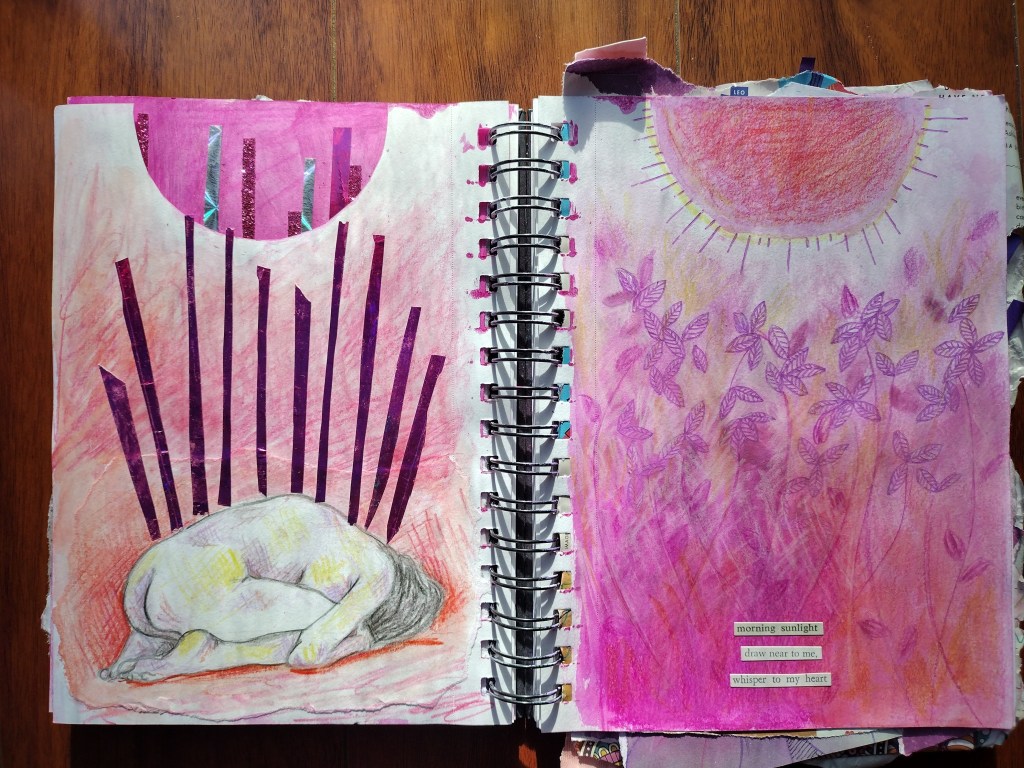
Man’s Search For Meaning
Man’s Search for Meaning by Viktor Frankl is part memoir, part psychological study of his experiences as a prisoner in Nazi concentration camps during World War II. Through his experiences in the camps he was able to further his studies of Logotherapy – a meaning-centered psychotherapy that he developed, which focuses on the future and the meaning and intent a patient gives to that future.
Faced with horrific conditions and the ever-present imminence of death, Frankl saw firsthand how some men languished with hopelessness and gave up on ever being free or surviving, while others (including himself) were able to find some meaning in the suffering they endured.
‘Instead of taking the camp’s difficulties as a test of their inner strength, they did not take their life seriously and despised it as something of no consequence. They preferred to close their eyes and to live in the past. Life for such people became meaningless.’
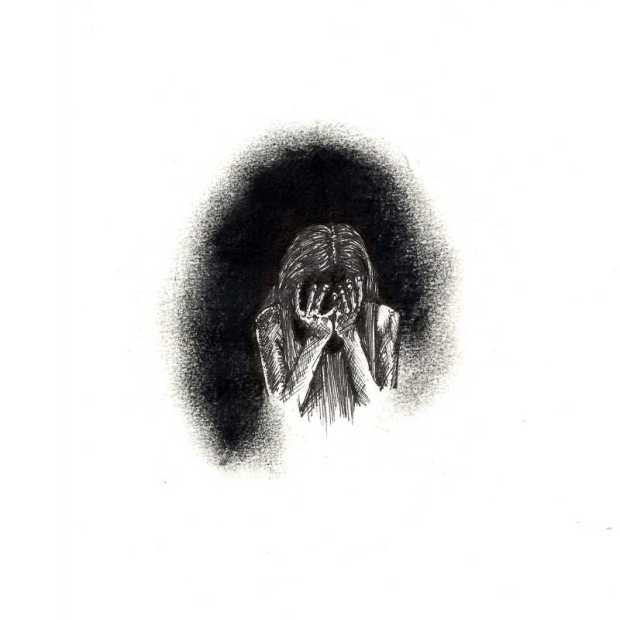
To see into the future is to have some hope of what is possible. Oftentimes, when we are uncomfortable in our present situation and have no hope for the future, we sink into the past because it is familiar and seems certain. Frankl writes how reminiscing could be helpful in remembering what good is possible in life but was detrimental to some in that prisoners would be reminded of the monstrosity of their current situation.
‘…most men in a concentration camp believed that the real opportunities of life had passed. Yet, in reality, there was an opportunity and a challenge. One could make a victory of those experiences, turning life into an inner triumph…’
What we think about our lives determines our suffering
When we are suffering deeply, it can feel like there really is no way out of our pain. If we believe that our success is determined by our material wealth or status, even our relationships, we may crumble if these things are taken away, leaving us bereft of meaning and purpose. True freedom and power is built on the inside, once we decide what is important to us and seek to live by those values. It is a freedom and a power of the mind that must be attained in order to overcome the sufferings of life.
Frankl describes imagining a scene in the future of him lecturing to an audience on the psychology of the concentration camp. He says:
‘By this method I succeeded somehow in rising above the sufferings of the moment and I observed them, as if they were already of the past.’
Using his imagination, Frankl was able to remove himself from the pain of the present by visualizing a scene clearly in his mind of what could be possible as if it were a real event. There are many contemporary self-help books and ancient texts that mention the power of creative visualization. Joseph Weed’s Secrets of the Mystic Masters suggests that creative visualization is true prayer (as opposed to the stereotypical view of prayer as someone on their knees begging for help or redemption). When it comes to finding meaning in one’s life Frankl points out:
‘…it did not really matter what we expected from life, but rather what life expected from us.’
What this quote shows us is that we can find meaning and purpose at any moment. What needs to be done? Who needs to be heard? What can we, and only we do to resolve some situation, to alleviate some suffering, to find joy in the many wonderful manifestations of the Source? It becomes clear in Frankl’s writing that meaning has to be found inside oneself to foster hope for one’s own survival and be of service to others struggling to find a reason to go on living.
Freedom from suffering begins in the mind
When the prisoners were released from the campgrounds, they couldn’t believe they were free. When we are used to oppressive circumstances, whether that be in our external surroundings or our own minds (through negative self-talk, repetition of disturbing images and memories) the opportunity to be free of them can seem strange and intimidating. Who do we become without this story of our suffering?
‘We came to meadows full of flowers. We saw and realized that they were there, but we had no feelings about them…we had literally lost the ability to feel pleased and had to relearn it slowly.’
The lifting of a depression can feel like this. Once coddled in the swathes of darkness and melancholy, the bright joy of the world can seem like a farce. ‘Do I dare to be happy if it’s just going to be taken away from me again?’ we cautiously ask ourselves. The truth is that happiness, or more importantly joy, is a feeling that comes from within. It depends on our perspective of circumstances rather than circumstances living up to our expectations.
‘…human life, under any circumstances, never ceases to have a meaning, and this…includes suffering and dying…’
Frankl posits that every man (or woman) can find meaning in life through understanding their own uniqueness and seeking to ‘achieve a significance which will satisfy his own will to meaning.’ What this means is that our lives have a purpose once we decide to act in a way that expresses our unique talents, beliefs and personalities no matter the circumstances.
Man’s Search for Meaning provocatively questions what it means to be human and how conventional psychotherapy treats ‘the existential vacuum’ that many patients of psychotherapy/psychoanalysis appear to suffer from.
Citations from Man’s Search for Meaning by Viktor Frankl
Artwork by Cherone Bellinfantie

 CHERONE BELLINFANTIE
Leave a comment